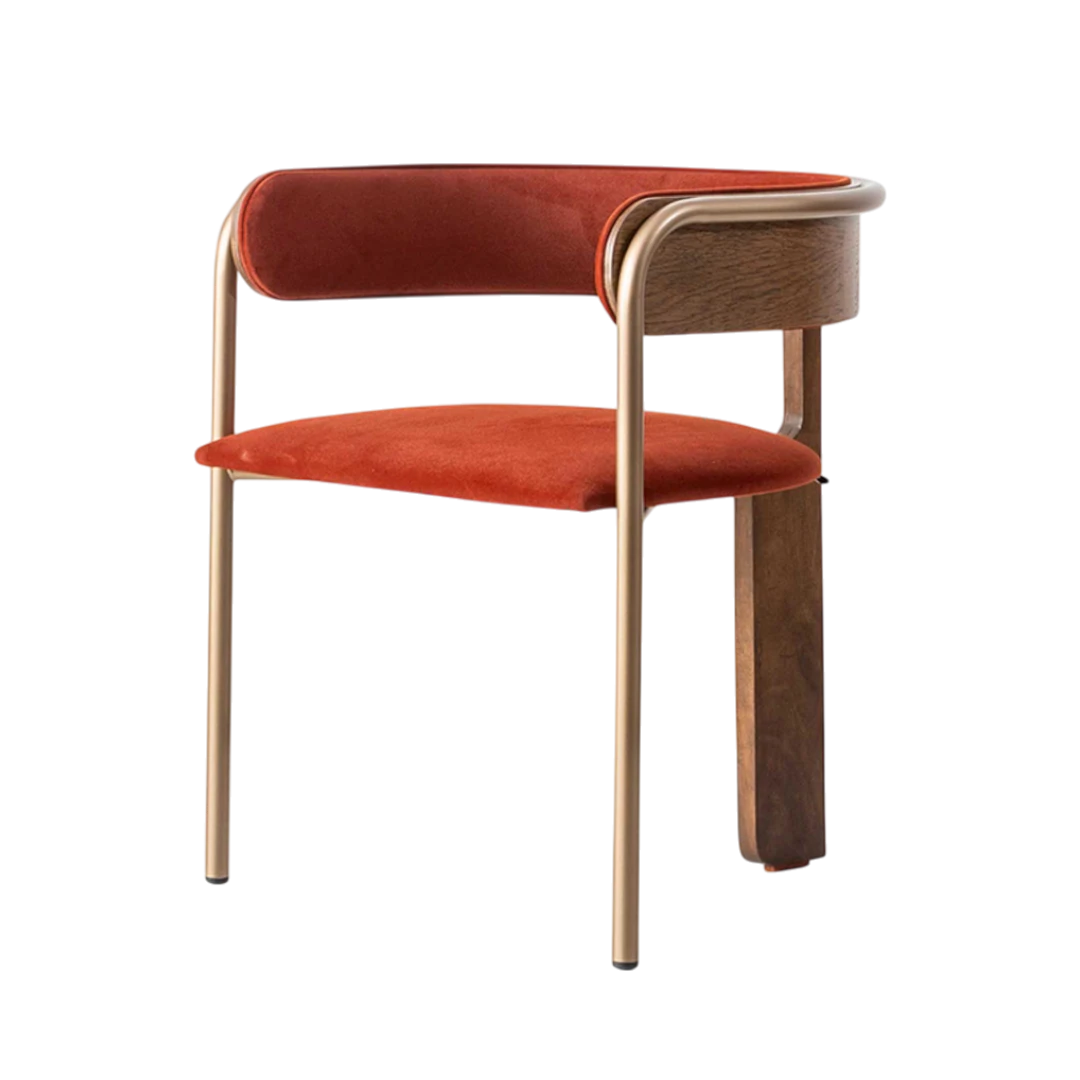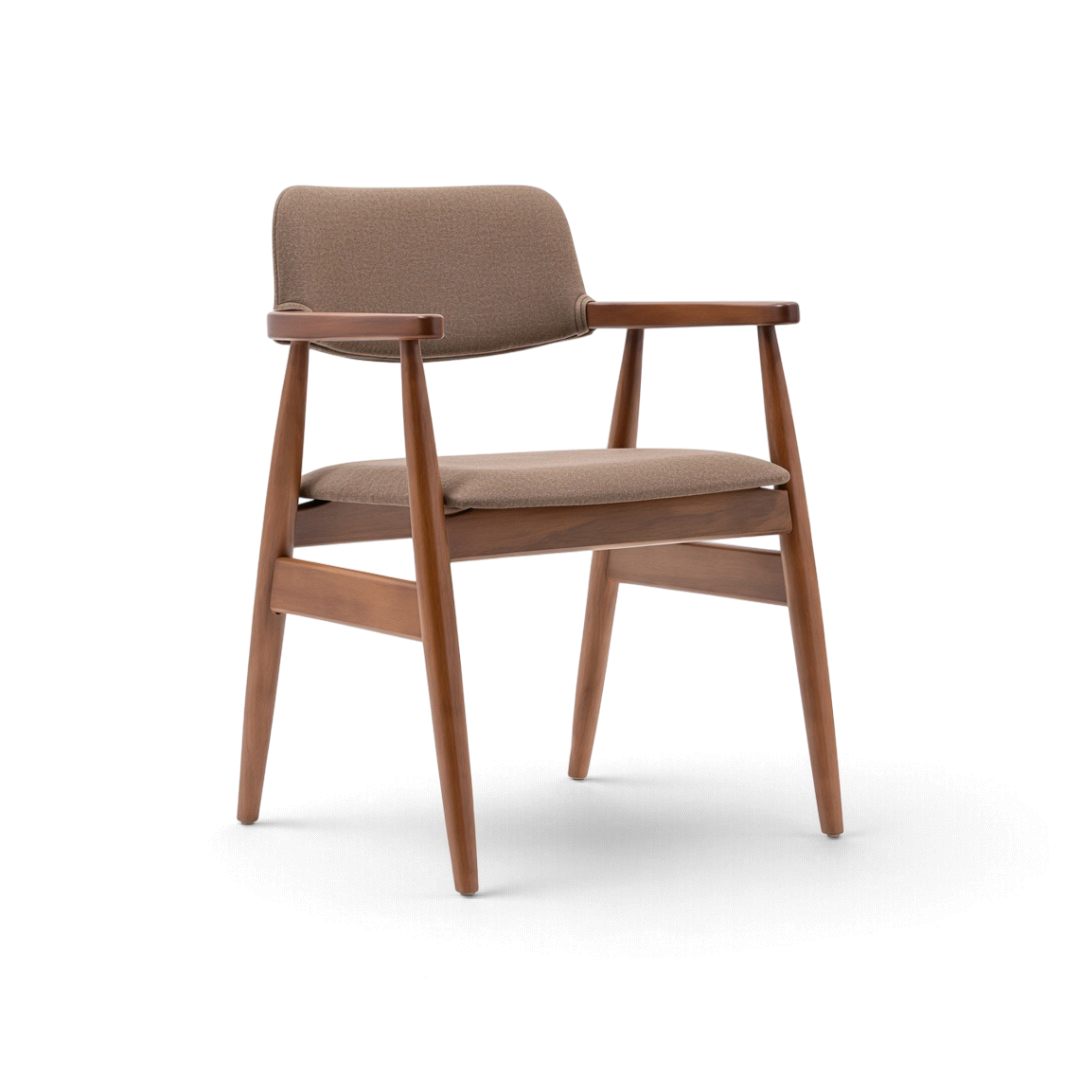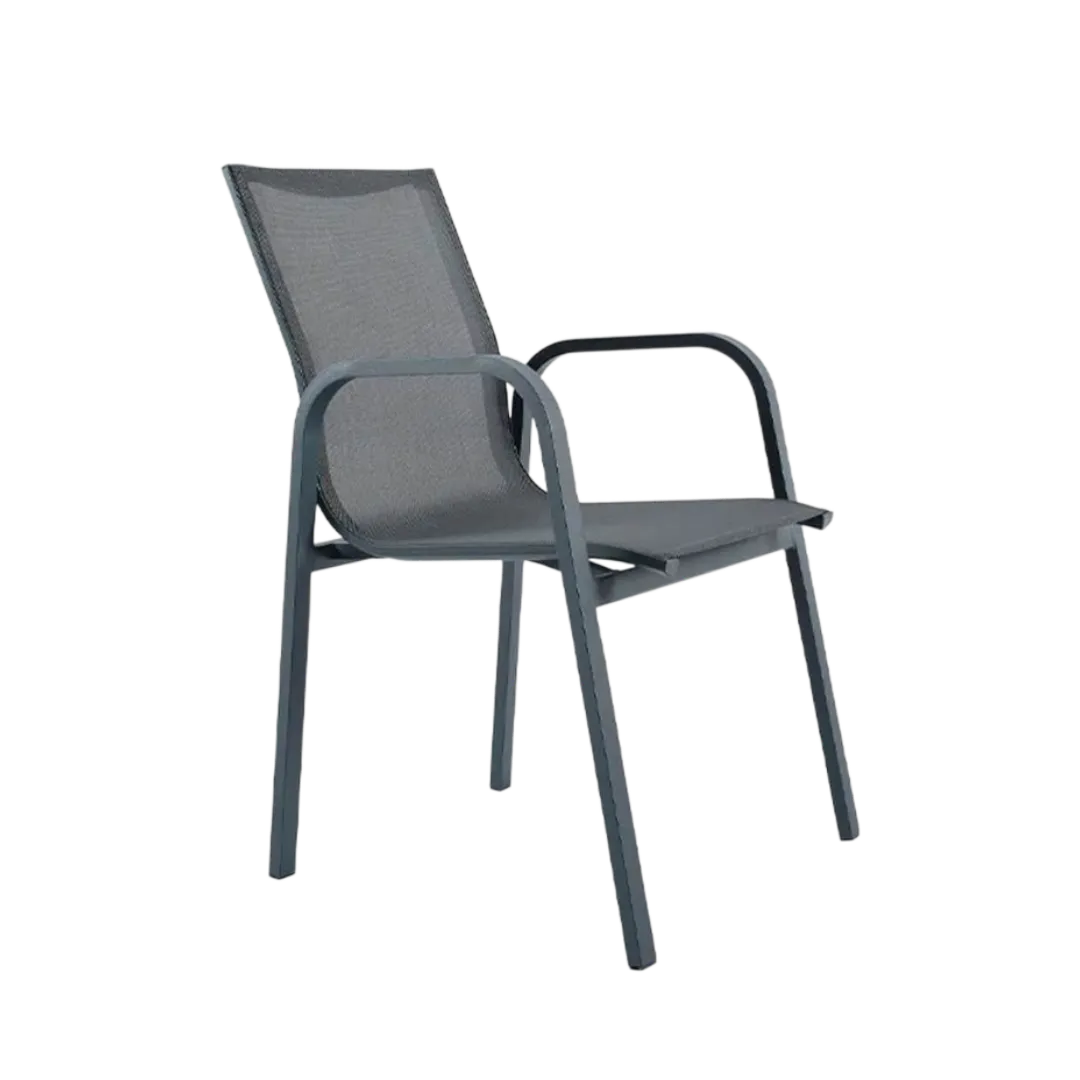

When choosing chairs for a cafe, restaurant, hotel, or other commercial space, where the furniture will be used is just as important as its design and comfort. A chair designed for an indoor environment is exposed to very different conditions from one used in a garden, terrace, patio, or outdoor dining area.
Outdoor furniture needs to withstand environmental factors such as sunlight, humidity, rain, and temperature changes. Indoor furniture, on the other hand, allows for a wider range of materials, upholstery options, finishes, and design details.
For this reason, choosing the right chair should involve more than simply selecting a model you like. The materials, finishes, and manufacturing characteristics of the product should also be suitable for its intended environment.
At Birenk Sandalye, we manufacture indoor and outdoor tables, chairs, and bar stools for cafes, restaurants, hotels, and various commercial projects at our production facility in İnegöl, Bursa, Türkiye.
So, what are the main differences between indoor and outdoor chairs?
1. The Main Difference Is the Usage Environment
Indoor chairs are generally used in controlled environments. They are not directly exposed to rain, intense sunlight, or continuous temperature changes.
Outdoor chairs face very different conditions.
A chair used on a restaurant terrace, in a hotel garden, or at an outdoor cafe may be exposed to sunlight for many hours each day. Depending on the location, humidity, rain, and temperature fluctuations may also affect the furniture.
For this reason, outdoor furniture should be designed and manufactured with these conditions in mind from the beginning.
2. Why Is Material Selection Important?
One of the most important differences between indoor and outdoor chairs is the choice of materials.
Indoor environments provide greater design freedom, allowing wood, metal, upholstery, fabrics, and various decorative materials to be used in different combinations.
For outdoor furniture, however, the suitability of the materials for environmental conditions becomes much more important.
Appropriate surface treatments for metal components, materials selected according to exterior conditions, and suitable protective finishes can all affect the long-term performance of the product.
The important point is not only which material is used, but also how that material is processed and prepared for its intended environment.
3. Can Wooden Chairs Be Used Outdoors?
Wood is widely used in chair manufacturing because of its natural appearance, warmth, and versatility.
However, when wooden furniture is intended for outdoor use, the type of wood, surface treatment, and environmental conditions should all be considered together.
Not every wooden chair is suitable for direct outdoor use.
For furniture that will remain permanently outdoors, factors such as humidity, rain, and sunlight should be taken into consideration. Appropriate surface treatments can help improve the durability of wood, but the product should still be selected according to its specific usage conditions.
A covered or semi-covered terrace, for example, presents very different conditions from a completely exposed outdoor area.
For this reason, the exact location where a wooden chair will be used should be determined before production.
4. What Should Be Considered for Metal Chairs?
Metal is another material commonly used for both indoor and outdoor chair designs.
Its ability to complement modern and industrial interiors, as well as its compatibility with wood, upholstery, and other materials, makes it a versatile option.
For outdoor applications, however, surface treatment becomes particularly important.
Paint, coating, and finishing systems should be selected according to the environmental conditions in which the product will be used.
Even when the same chair design is intended for both indoor and outdoor applications, the materials or surface treatments may need to be different.
5. Indoor and Outdoor Upholstered Chairs
Indoor chairs provide a wide range of upholstery possibilities.
Fabrics, artificial leather, and other upholstery materials can be selected according to the project's color palette, design concept, and intended use.
In restaurant and hotel projects, upholstered chairs can provide significant advantages in terms of both comfort and visual character.
For outdoor furniture, upholstery needs to be planned more carefully.
Fabrics and filling materials should be suitable for the conditions in which they will be used. Standard indoor upholstery exposed to rain, humidity, and direct sunlight may experience significantly reduced performance and lifespan.
For this reason, materials specifically suitable for outdoor conditions should be considered when upholstered furniture is required in exterior spaces.
6. How Does Sunlight Affect Furniture?
Rain and humidity are not the only environmental factors that affect outdoor furniture. Sunlight is equally important.
Some materials may experience fading, discoloration, or changes in surface appearance after prolonged exposure to direct sunlight.
Furniture used on terraces, in gardens, and in outdoor restaurant areas with high levels of sun exposure should therefore be selected according to these conditions.
Geographical location also matters.
The requirements of a completely open restaurant terrace in a region with intense year-round sunlight may be very different from those of a mostly shaded, semi-covered terrace.
7. Indoor Chairs Offer Greater Design Freedom
Because indoor environmental conditions are more controlled, designers generally have greater freedom when selecting materials and finishes.
Wood details, different types of fabrics, custom upholstery techniques, metal elements, and decorative surface treatments can be combined within the same product.
This flexibility is particularly valuable in hotel restaurants, concept cafes, fine dining restaurants, and projects with a strong architectural identity.
Chair colors, wood finishes, and upholstery can be coordinated with tables, flooring, walls, lighting, and other decorative elements.
As a result, the chair becomes more than simply a functional object; it becomes an important part of the overall interior design.
8. Easy Maintenance Is Important for Outdoor Furniture
For commercial establishments, furniture that is easy to clean and maintain offers a significant operational advantage.
Outdoor furniture is generally exposed to more dust and environmental elements than furniture used indoors.
In busy cafes, restaurants, and hotels, furniture needs to be cleaned regularly. Therefore, materials and surface finishes should also be evaluated from the perspective of daily maintenance.
Furniture that is easier to maintain can simplify everyday operations while helping products remain in good condition for longer.
9. Weight and Portability Should Also Be Considered
Furniture layouts in restaurant terraces, hotel gardens, and outdoor cafe areas may need to be changed frequently.
Chairs may need to be moved indoors when the business closes, rearranged for special events, or temporarily removed for cleaning and maintenance.
For this reason, the weight and portability of a chair should be considered alongside durability.
Furniture that is excessively heavy can make daily operations more difficult, while products that are too lightweight may not be suitable for certain environments.
The objective is to find the right balance according to how the business operates and where the furniture will be used.
10. How Can Design Consistency Be Maintained Between Indoor and Outdoor Areas?
Furniture used inside a restaurant does not need to look completely different from the furniture on its terrace.
With the right selection of products and materials, a consistent design language can be maintained across indoor and outdoor spaces.
For example, an outdoor chair may have a form or visual character similar to the chair used indoors while being manufactured with materials and finishes better suited to exterior conditions.
Similar colors, forms, wood tones, or metal details can create a visual connection between the two environments.
This approach is particularly useful in restaurant and hotel projects where the architectural and brand identity should remain consistent throughout the property.
Indoor or Outdoor: What Does Your Project Require?
Before selecting furniture, it is important to clearly define where each product will be used.
A project may include several different environments, such as:
- Indoor restaurant areas
- Cafe spaces
- Bars and lounges
- Semi-covered terraces
- Fully exposed terraces
- Gardens
- Poolside areas
Rather than using the same furniture solution for every space, selecting products according to the conditions of each environment generally provides better long-term results.
Sharing information about the intended usage areas with the manufacturer during the project stage also helps determine suitable materials, finishes, and production methods.
Indoor and Outdoor Furniture Manufacturing from İnegöl, Türkiye
Based in İnegöl, Bursa, Birenk Sandalye manufactures indoor and outdoor furniture for cafes, restaurants, hotels, and various commercial projects.
Tables, chairs, and bar stools can be evaluated according to their intended environment and the architectural concept of the project. Colors, materials, upholstery, and surface finishes can also be customized according to project requirements.
For projects developed by architects and interior designers, usage conditions and design expectations can be evaluated together to develop suitable manufacturing solutions.
In addition to projects throughout Türkiye, production and delivery can also be planned for international projects in different countries.
The Right Chair Should Be Selected According to Its Environment
The difference between indoor and outdoor chairs is not simply a matter of design.
Material selection, surface treatments, upholstery, maintenance requirements, and resistance to environmental conditions should all be evaluated according to where and how the furniture will be used.
A chair that performs successfully indoors may not provide the same performance outdoors. Similarly, some of the technical characteristics required for exterior furniture may not be necessary for a fully enclosed restaurant.
For this reason, the most important question when selecting a chair is not only “Which model?” but also “Where and how will it be used?”