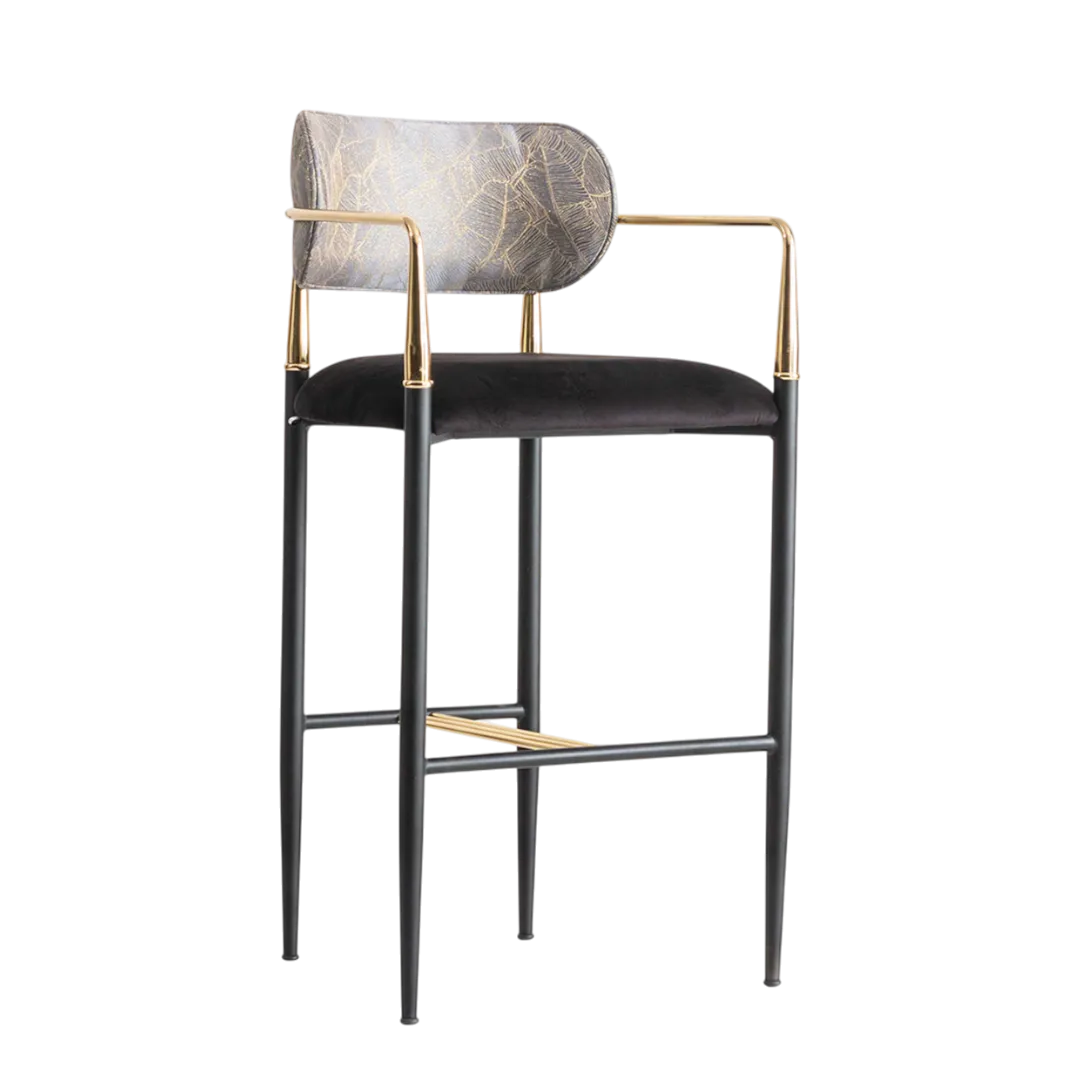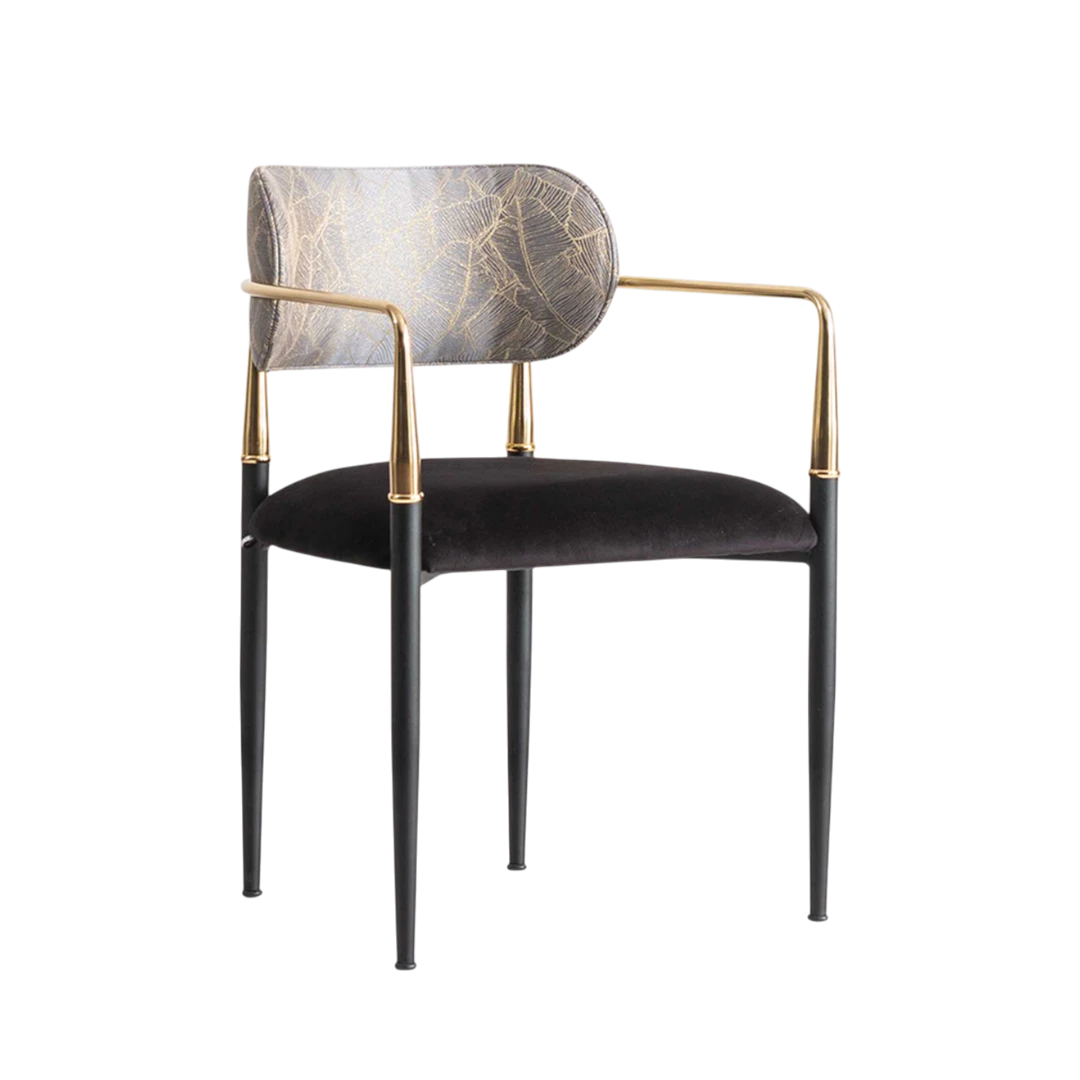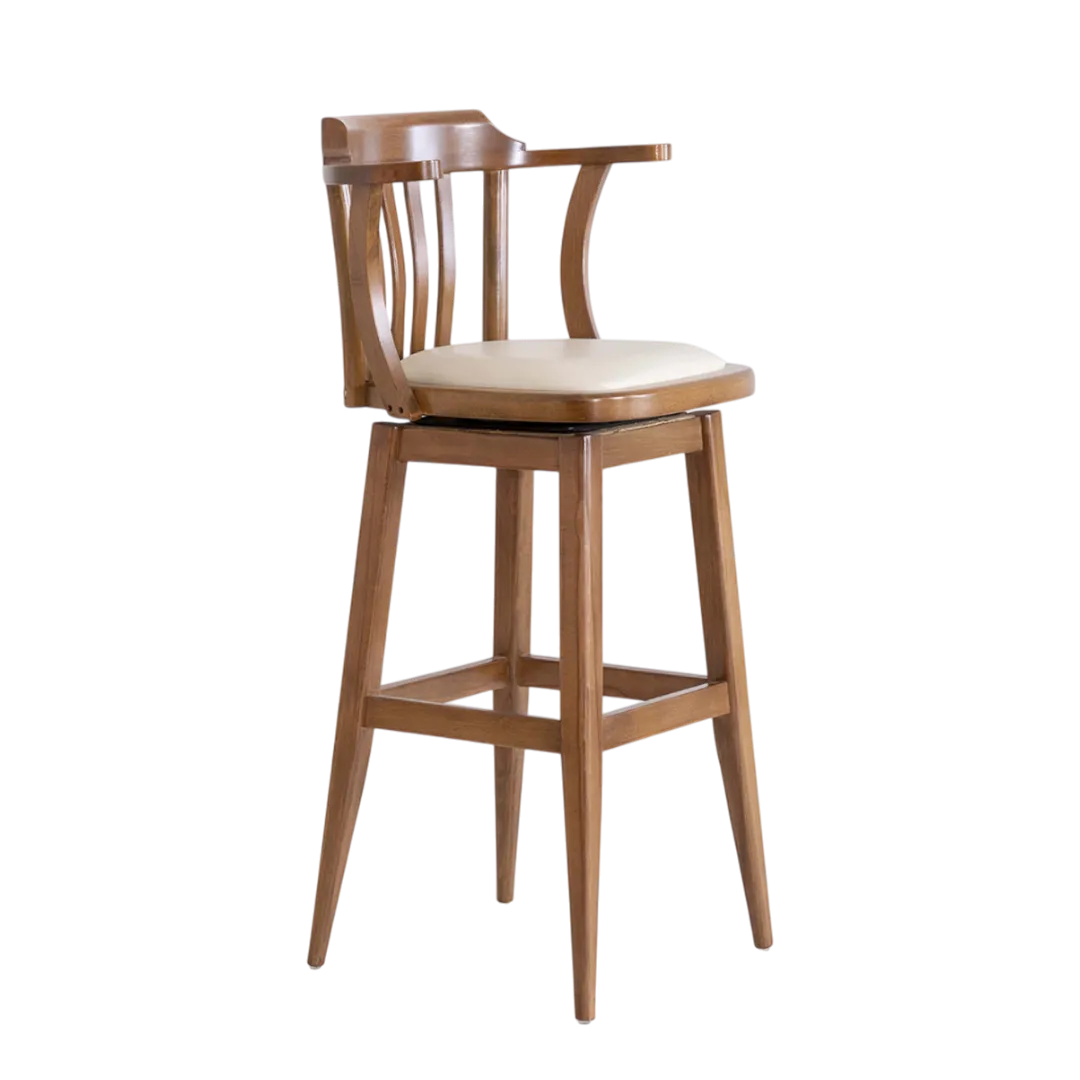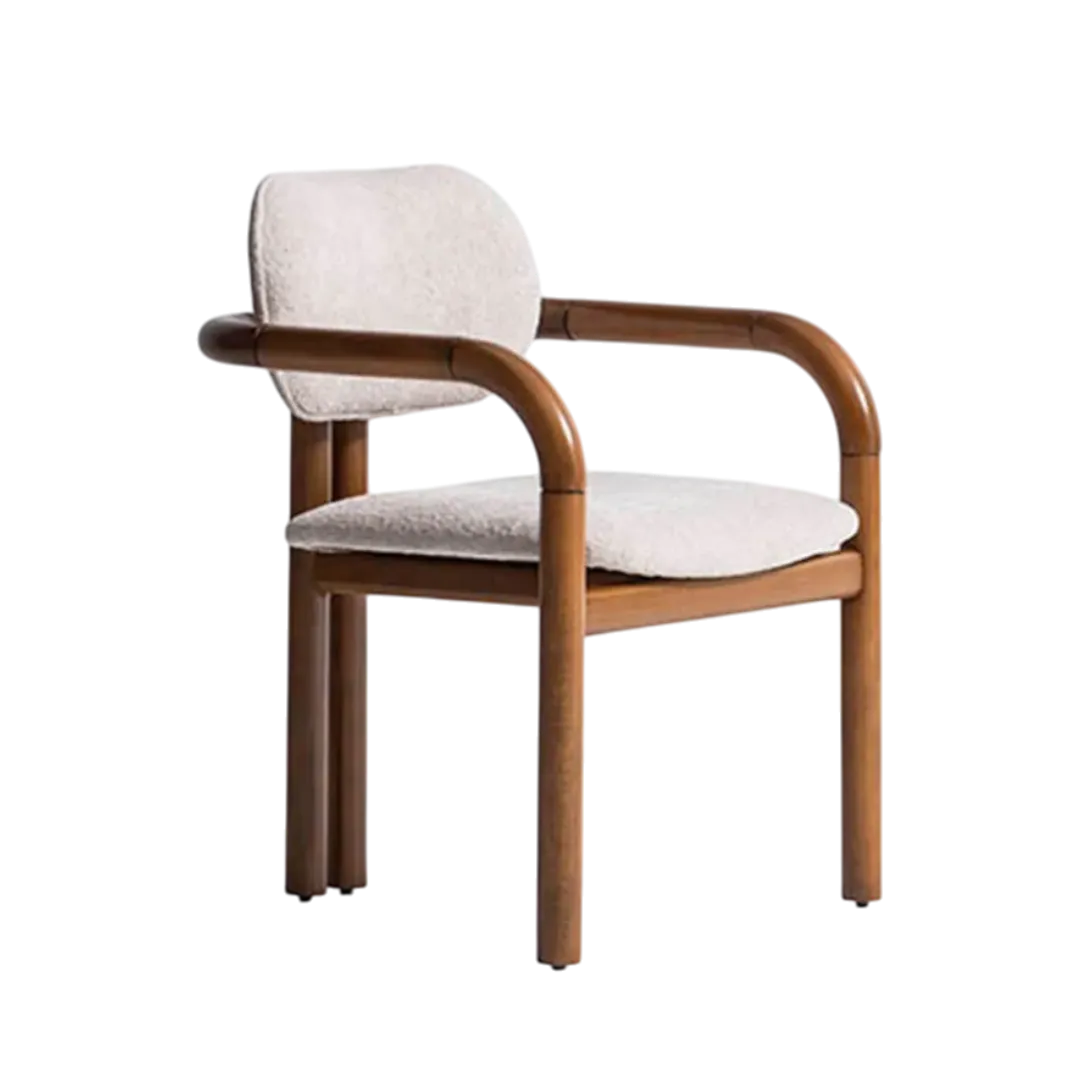

When designing a cafe or restaurant, furniture is one of the key elements that defines the character of the space. Tables and chairs are not simply decorative elements; they directly affect customer comfort, seating capacity, service flow, and the long-term operating costs of the business.
For this reason, choosing tables and chairs for cafe and restaurant projects should involve much more than appearance alone. The concept of the space, usage intensity, indoor or outdoor application, ergonomics, materials, and layout should all be considered together.
At Birenk Sandalye, we manufacture tables, chairs, bar stools, and complementary furniture solutions for cafe and restaurant projects of different scales at our production facility in İnegöl, Bursa. In addition to our existing collections, we also manufacture furniture based on architectural projects and custom designs.
1. The Concept of the Space Should Guide Furniture Selection
In a successful cafe or restaurant project, tables and chairs should be an integral part of the overall design language.
A modern and minimalist restaurant will naturally require different furniture from a restaurant with a more classic interior. Likewise, a boutique coffee shop, fine dining restaurant, hotel restaurant, or high-traffic establishment may each require different furniture solutions.
When selecting tables and chairs, several elements should be considered together:
- Architectural style of the space
- Color and material palette
- Floor and wall finishes
- Lighting design
- Target customer profile
- Overall purpose and usage of the space
Choosing furniture that complements the architectural concept helps create a more cohesive and professional interior.
2. Choose the Right Products for Indoor and Outdoor Spaces
One common mistake in cafe and restaurant projects is using furniture designed for indoor environments in outdoor areas.
Indoor chairs offer greater flexibility in terms of design, upholstery options, wooden details, and comfort. Outdoor furniture, however, needs to combine aesthetics with resistance to environmental conditions.
Tables and chairs used in gardens, terraces, patios, and other open areas should be manufactured from materials suitable for exposure to sunlight, humidity, temperature changes, and intensive commercial use.
For this reason, the same restaurant project can maintain a consistent design language across indoor and outdoor areas while using different materials and manufacturing techniques for each environment.
3. Consider the Demands of Intensive Commercial Use
A chair used in a residential environment does not experience the same conditions as one used in a commercial establishment.
A restaurant chair may be used by dozens of different people throughout a single day. It is frequently moved, cleaned, and subjected to intensive use for long periods. Therefore, project furniture should be evaluated not only by how it looks on the first day but also by how well it performs over time.
The frame structure, joints, wood or metal materials, upholstery fabrics, and surface finishes all directly affect the durability and service life of the product.
Especially in high-capacity restaurants, cafes, and hotel projects, choosing models designed for commercial use can provide significant long-term advantages for the business.
4. Ergonomics and Customer Comfort Should Not Be Overlooked
No matter how attractive a chair may look, poor comfort can negatively affect the customer experience.
In restaurants and cafes where customers are expected to spend longer periods of time, ergonomic details such as seat height, backrest angle, seat width, and cushioning become particularly important.
The height of the chairs should also be compatible with the tables they are paired with.
The objective is not simply to select the most comfortable chair possible, but to achieve the right level of comfort for the intended use of the establishment.
For example, a cafe with rapid customer turnover may require a different seating solution from a restaurant where guests are expected to remain seated for longer periods.
5. Table and Chair Layout Should Be Planned During the Project Stage
Furniture selection is not only about choosing individual products. How those products are positioned within the space is equally important.
A well-planned layout allows the available area to be used efficiently while maintaining sufficient circulation space for customers and service staff.
Table dimensions, chair widths, and the space required to comfortably move chairs in and out should all be taken into consideration.
Attempting to increase capacity by placing too many tables can restrict circulation and negatively affect the customer experience. On the other hand, leaving excessive unused space can prevent the establishment from making full use of its seating potential.
For this reason, furniture dimensions should always be evaluated together with the architectural layout.
6. Standard Models or Custom-Made Furniture?
Every cafe and restaurant project has different requirements.
For some projects, models from an existing collection can easily be adapted through different colors, finishes, and upholstery options. Other projects may require furniture specifically designed by an architect or interior designer for that particular space.
In custom furniture production, the feasibility of the design, material selection, dimensions, and manufacturing details are evaluated together.
This approach can be especially valuable for restaurants, hotels, and concept-driven spaces looking to create a distinctive identity.
7. From Architectural Drawings to Production
In professional projects, tables and chairs are often determined as part of the architectural design process.
Technical drawings, dimensions, reference images, or 3D designs prepared by architects and project teams can be shared with the manufacturer. The design can then be evaluated in terms of production feasibility, appropriate materials, and manufacturing methods.
When necessary, samples or prototypes can be produced so that important details can be reviewed before proceeding with full-scale production.
This process makes it possible to transform a furniture concept developed during the design stage into a finished product while preserving the overall architectural character of the project.
Furniture Production for Cafe and Restaurant Projects from İnegöl
Based in İnegöl, Bursa, one of Türkiye's leading furniture manufacturing centers, Birenk Sandalye produces furniture solutions for the diverse requirements of cafe and restaurant projects.
From chairs and bar stools to tables and indoor and outdoor furniture, different product groups required within a project can be evaluated and produced as part of a coordinated process.
In addition to projects throughout Türkiye, our production capabilities allow us to serve international projects and develop solutions according to the requirements of architects, interior designers, and project teams.
When a project includes a custom design created by an architect or interior designer, the technical details can be evaluated to determine suitable production solutions.
The Right Furniture Is Part of the Project
Choosing the right tables and chairs for cafe and restaurant projects requires aesthetics, ergonomics, durability, and space planning to be considered together.
Well-planned furniture does more than complete the appearance of a space. It influences how customers experience the environment, how efficiently service can operate, and how effectively the furniture can perform over many years of use.
For this reason, furniture selection should not be treated simply as a purchasing decision made at the end of a project. Instead, it should be considered an integral part of the architectural design process.