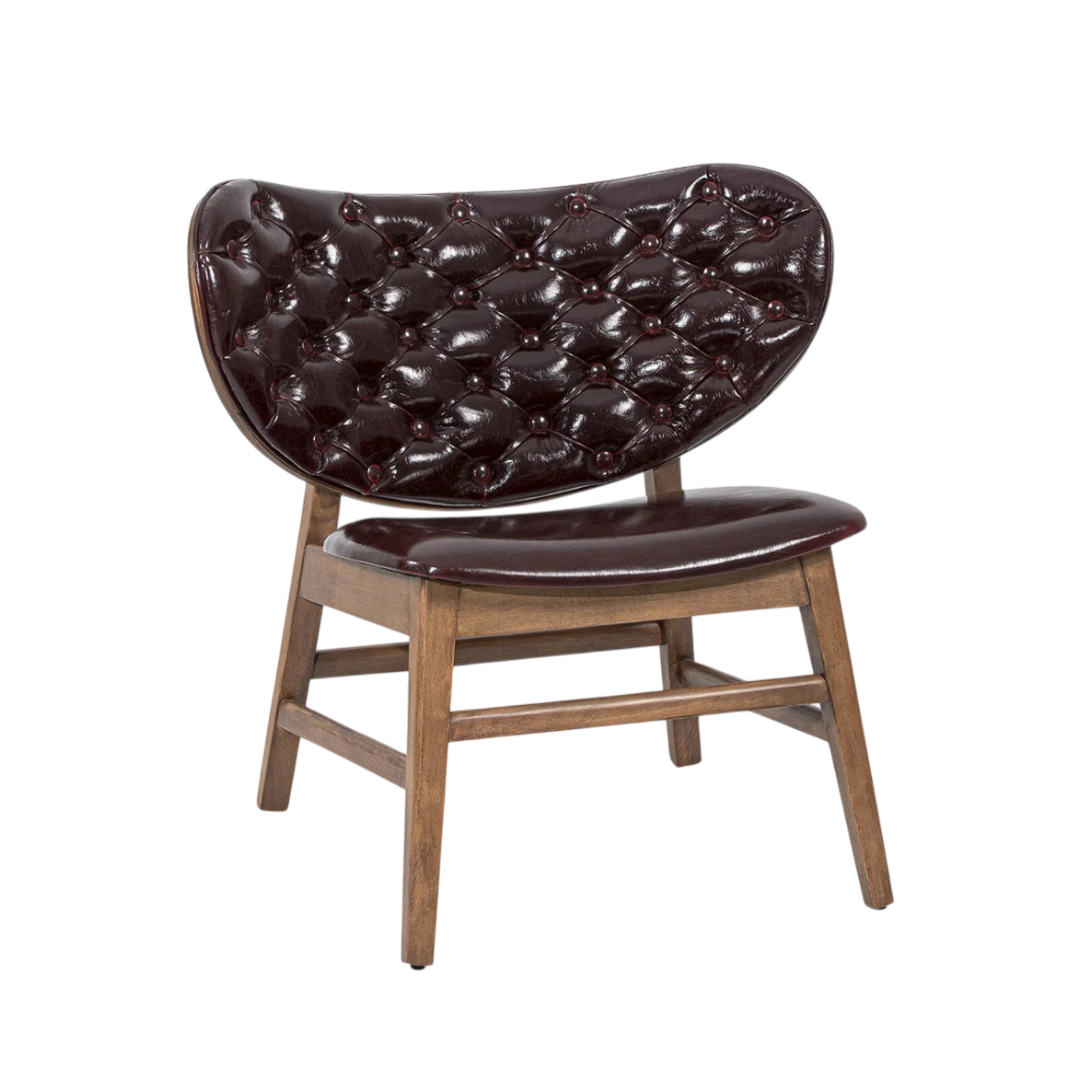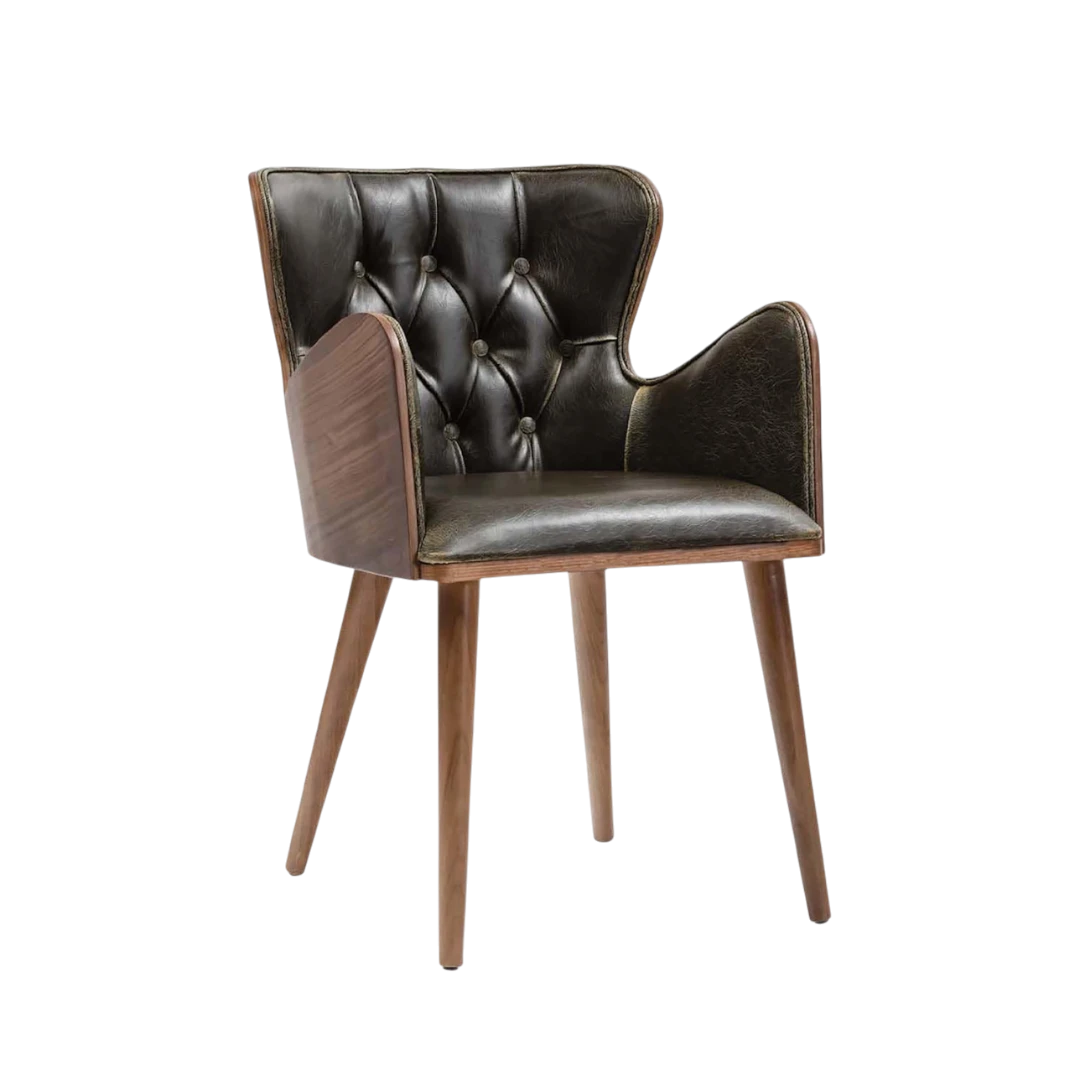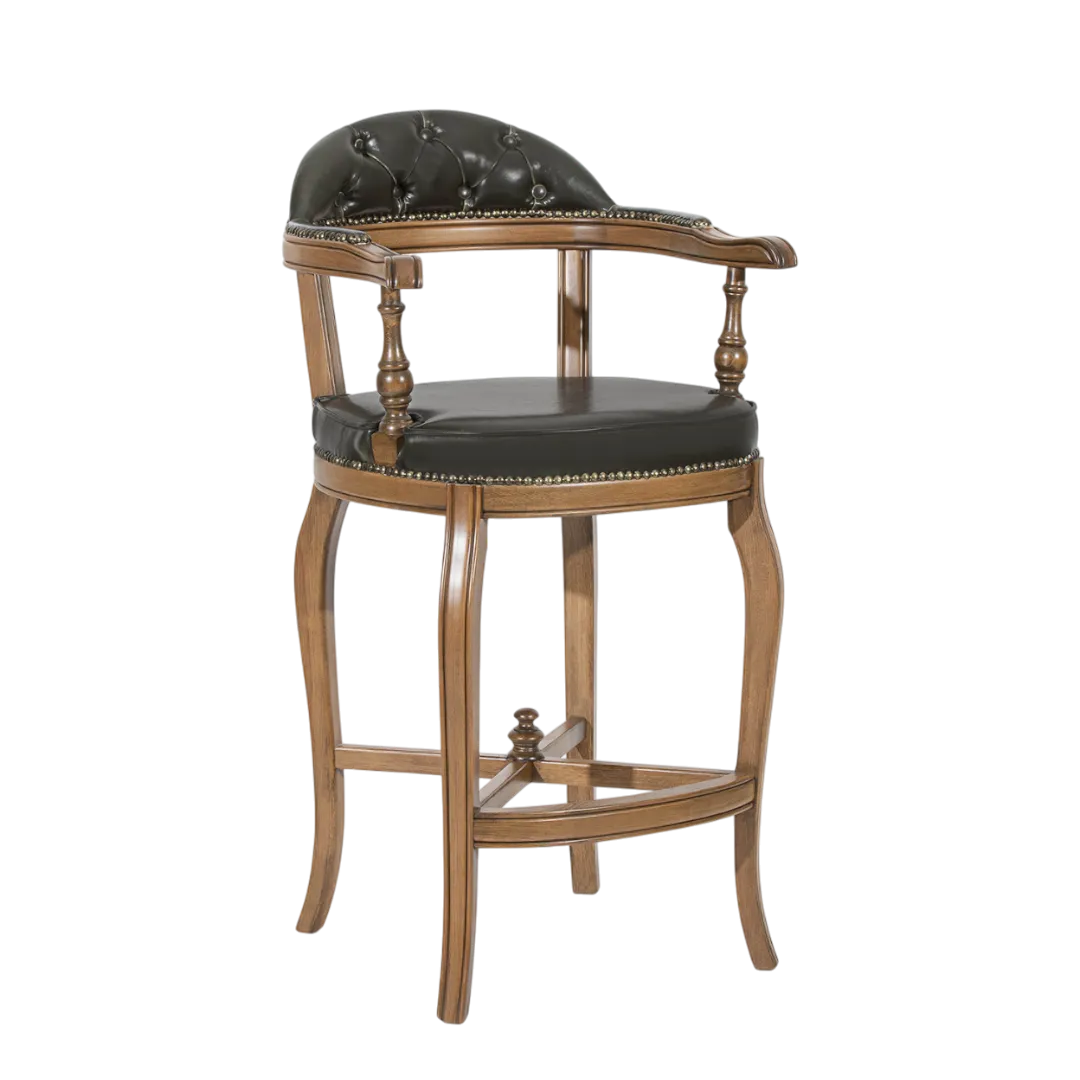

Furniture selection in hotel projects is much more than simply completing the interior design. Different areas such as lobbies, restaurants, cafes, bars, terraces, and outdoor spaces each have their own functional requirements. For this reason, hotel furniture should be evaluated not only in terms of design but also durability, comfort, ergonomics, and intended use.
Especially for frequently used products such as tables, chairs, and bar stools, making the right choice directly affects both the guest experience and the long-term performance of the furniture.
At Birenk Sandalye, we manufacture indoor and outdoor tables, chairs, bar stools, and custom furniture solutions for hotel and hospitality projects at our production facility in İnegöl, Bursa, Türkiye. In addition to adapting our existing models to specific projects, we can also evaluate and manufacture custom designs developed by architects and interior designers.
1. Different Hotel Areas Require Different Furniture Solutions
A hotel consists of many areas with different functions. A chair used in a hotel restaurant cannot always be expected to have the same characteristics as seating used in a lobby or on an outdoor terrace.
In hotel restaurants, for example, chairs that are easy to move, durable enough for intensive use, and compatible with table dimensions are often preferred. In lobby and waiting areas, comfort and design may play a more prominent role.
Bar areas require bar stools with appropriate seat heights for counters and high tables. Outdoor areas such as poolside spaces, gardens, and terraces require furniture designed for exterior conditions.
For this reason, a hotel project should be considered as a whole while the furniture requirements of each individual area should be determined according to its specific usage conditions.
2. Design Consistency Strengthens the Hotel's Identity
Different areas within a hotel may have their own atmosphere, but maintaining a sense of visual continuity throughout the property is important.
Furniture is one of the most effective ways to achieve this consistency.
The chairs used in a restaurant do not need to be identical to those used in the lobby or terrace. Instead, similar wood finishes, metal details, upholstery colors, or design elements can create a visual connection between different areas.
Especially in boutique hotels and concept-driven hospitality projects with a strong architectural identity, customizing furniture according to the project can help create a distinctive and recognizable character.
3. Why Is Durability Important in Hotel Furniture?
Hotel furniture is exposed to significantly more intensive use than residential furniture.
A restaurant chair may be used and moved many times throughout the day. Bar stools can remain in active use for long hours, while furniture in common areas may be used by hundreds or even thousands of different guests throughout the year.
For this reason, furniture should be evaluated not only by how it looks when first delivered but also by how it performs over the years.
Important factors include:
- Frame and structural construction
- Joints and connection points
- Wood and metal material properties
- Upholstery suitable for intensive use
- Surface finishes and coatings
- Ease of cleaning and maintenance
Furniture manufactured for intensive commercial use can also help reduce maintenance and replacement requirements over the long term.
4. Comfort Should Be Evaluated Together with Intended Use
Comfort is an important consideration in hotel projects, but applying the same level and type of comfort to every area is not always the right approach.
A breakfast area where guests spend a relatively short amount of time has different requirements from a restaurant or lounge where guests may remain seated for several hours.
For chairs, details such as seat width, seat height, back support, and upholstery should be evaluated according to the expected duration and type of use.
For bar stools, seat height, footrest position, stability, and overall ergonomics become particularly important.
The right product should provide the appropriate level of comfort for its intended area without making daily hotel operations more difficult.
5. Choosing Tables and Chairs for Hotel Restaurants
Restaurants and breakfast areas are among the most intensively used furniture spaces within hotels.
In these areas, tables and chairs should not only complement the interior design but also have dimensions suitable for the architectural layout.
When determining table dimensions, factors such as service style, seating capacity, and available floor area should be considered. Chairs should also allow sufficient space around and beneath the tables for comfortable movement.
Especially in high-capacity hotel restaurants, allowing service staff to move easily between tables can directly affect operational efficiency and service quality.
Evaluating furniture dimensions together with the architectural layout helps make more efficient use of the available space.
6. Furniture Selection for Hotel Bars and Lounge Areas
Hotel bars and lounge areas are among the spaces where furniture can have the greatest impact on the overall atmosphere.
Unlike traditional restaurant layouts, these areas may include different table heights, bar tables, bar stools, lounge chairs, and more relaxed seating arrangements.
When selecting bar stools, design should not be the only consideration. The seat height of the stool should be correctly matched to the height of the bar counter or table.
Footrest position, back support, and product stability are also important factors for user comfort.
Choosing materials and finishes that complement the hotel's overall architectural language helps the bar and lounge areas feel like a natural extension of the project.
7. How Should Outdoor Hotel Furniture Be Selected?
Hotel gardens, terraces, outdoor dining areas, and poolside spaces are some of the most common areas where outdoor furniture is used.
Furniture in these environments is exposed to different conditions compared with indoor products.
Sunlight, humidity, rain, temperature changes, and the local climate should all be taken into consideration when selecting materials and finishes.
Using materials suitable for outdoor conditions is important for maintaining both the appearance and long-term performance of the furniture.
At the same time, outdoor spaces do not need to have a completely different visual identity from the hotel's interiors. The architectural design language can continue outdoors through suitable materials, colors, and furniture forms.
8. Existing Furniture Models Can Be Customized for Hotel Projects
Not every hotel project requires a completely new furniture design from the ground up.
An existing chair, table, or bar stool can often be adapted to the project's concept through different wood finishes, metal colors, upholstery fabrics, and other design details.
This approach makes it possible to create a project-specific appearance while benefiting from existing models with established manufacturing processes.
Especially for projects requiring large quantities, samples can be produced to evaluate colors, materials, finishes, and other details before full-scale production begins.
9. Custom Furniture Manufacturing for Architectural Projects
Some hotel projects require completely custom furniture designed by architects or interior designers.
In these cases, design visuals, technical drawings, dimensions, or 3D models can be shared with the manufacturer. Once the design has been evaluated for manufacturing feasibility, suitable materials, structural details, and production methods can be determined.
When required, a prototype or sample can be produced to evaluate the appearance, dimensions, comfort, and functionality of the design under real-world conditions.
Following approval, the furniture can proceed to serial production, helping ensure that the design developed for the architectural project is implemented consistently throughout the property.
10. The Importance of Production Planning in Large Hotel Projects
Large hotel projects may require hundreds of chairs, tables, or bar stools to be manufactured within the same project.
At this scale, production planning becomes just as important as the furniture design itself.
Product quantities need to be determined, sample and approval processes completed, production schedules organized, quality control procedures implemented, and deliveries coordinated according to the project timeline.
When several furniture models are being manufactured for different areas of the same hotel, coordinated production helps ensure that products arrive at the project site at the required time and according to the approved specifications.
Hotel and Hospitality Furniture Manufacturing from İnegöl, Türkiye
Based in İnegöl, Bursa, one of Türkiye's most established furniture manufacturing regions, Birenk Sandalye produces tables, chairs, and bar stools for different areas of hotel and hospitality projects.
Indoor and outdoor furniture requirements can be evaluated together, from hotel restaurants and cafes to bars, lounges, terraces, and gardens.
Existing models can be customized with different materials, colors, finishes, and upholstery options, while custom designs developed by architects and interior designers can also be evaluated for production.
In addition to projects throughout Türkiye, production and delivery can be planned for international hotel and hospitality projects in different countries.
Hotel Furniture Is a Long-Term Part of the Project
When choosing hotel furniture, aesthetics should be considered together with usage intensity, durability, ergonomics, and the function of each space.
A well-selected chair or table should do more than look attractive on the hotel's opening day. It should maintain its functionality, appearance, and design integrity throughout years of intensive commercial use.
For this reason, hotel furniture should not be treated as a collection of individual products selected at the final stage of a project. Instead, it should be considered an integral part of the architectural design and usage planning process from the beginning.